Rodents may look small, but they can cause big problems inside your home or business. Rats and mice can chew electrical wires, damage insulation, contaminate food, and spread harmful bacteria. The good news is that finding the warning signs early and taking the right preventive steps can help you avoid a serious infestation.
In this guide, you’ll learn how to identify rodent activity, why rodents enter properties, and the best ways to prevent them from coming back.
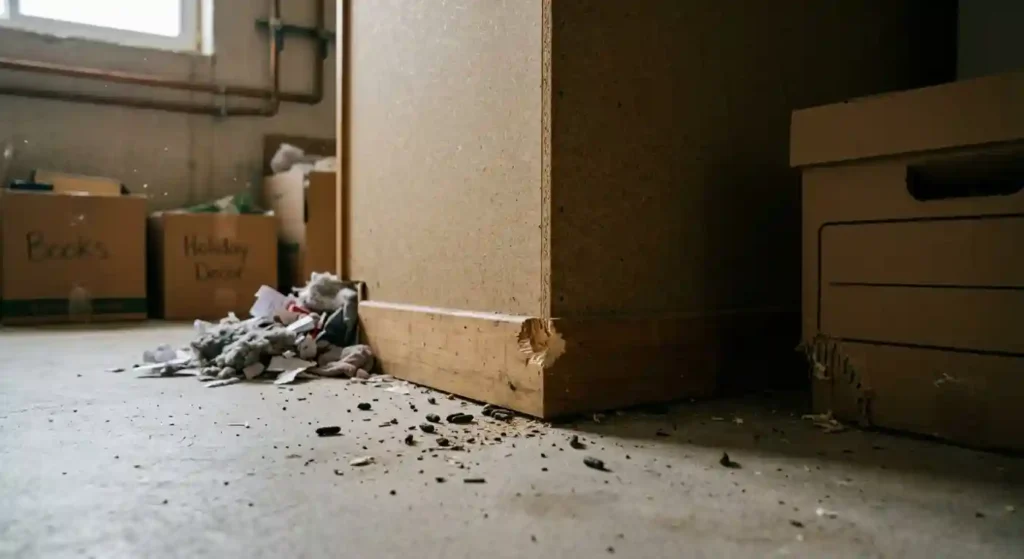
What Are the First Signs of a Rodent Infestation?
Most rodents stay hidden during the day, so you may not see them right away. Instead, they leave behind clues that can help you detect an infestation before it gets worse.
Common signs include:
- Small, dark rodent droppings near food, cabinets, or storage areas.
- Scratching or scurrying sounds inside walls or the attic, especially at night.
- Gnaw marks on wood, plastic, wires, or food packaging.
- Shredded paper, fabric, or insulation used for nesting.
- A strong musty odor in enclosed spaces.
- Grease marks along walls where rodents regularly travel.
If you notice more than one of these signs, it’s important to inspect your property as soon as possible.
Why Do Rodents Enter Homes and Businesses?
Rodents are always looking for three things: food, water, and shelter. Even a clean property can attract rats or mice if these basic needs are available.
Some common reasons rodents move indoors include:
- Food left in open containers.
- Pet food stored outside overnight.
- Leaking pipes or standing water.
- Cluttered garages or storage rooms.
- Easy access through gaps around doors, windows, vents, or utility pipes.
During cooler weather or heavy rain, rodents often move indoors to find a warm and dry place to nest.
Where Do Rats and Mice Usually Hide?
Rodents prefer quiet areas where they won’t be disturbed. They often build nests close to food and water sources while staying hidden from people.
Common hiding places include:
- Attics
- Crawl spaces
- Wall cavities
- Garages
- Basements
- Kitchens
- Behind appliances
- Storage boxes
- Utility rooms
- Ceiling spaces
Roof rats are excellent climbers and are commonly found in attics, rooflines, and trees, while mice can squeeze through openings as small as a dime.
Although rats and mice are both rodents, they behave differently and may require different control methods.
Rats
- Larger body size.
- Thick tail.
- Strong teeth capable of damaging wood and wiring.
- Often found in attics, crawl spaces, and outdoor areas.
Mice
- Smaller body.
- Thin tail.
- Able to fit through extremely small openings.
- Commonly found inside kitchens, pantries, and wall voids.
Knowing which rodent you’re dealing with can help you choose the most effective control strategy.
What Damage Can Rodents Cause?
Many people don’t realize how destructive rodents can be until the damage becomes expensive.
Rodents may:
- Chew electrical wiring, increasing fire risks.
- Damage insulation inside attics and walls.
- Contaminate food with urine and droppings.
- Destroy stored belongings.
- Damage furniture and cardboard boxes.
- Spread bacteria and other disease-causing organisms.
The longer an infestation continues, the greater the chance of costly repairs.
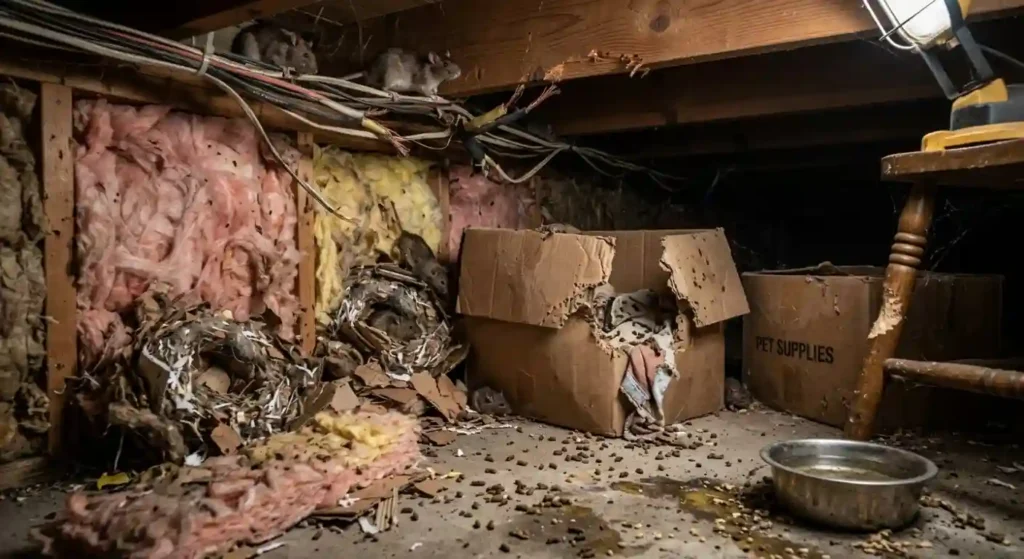
Why Is Early Detection So Important?
A small rodent problem can quickly become a large infestation because rats and mice reproduce rapidly. What starts as one or two rodents can grow into dozens within a short period if conditions remain favorable.
Early detection allows you to:
- Reduce property damage.
- Lower cleanup costs.
- Protect food and belongings.
- Prevent rodents from establishing nesting areas.
- Make removal easier before the infestation grows.
Checking your attic, garage, pantry, and storage areas regularly can help you spot warning signs before the problem gets worse.
How Often Should You Inspect Your Property for Rodents?
A simple inspection every few months can help you catch problems early. You should also inspect your home after storms, home renovations, or if you notice unusual sounds or droppings.
Pay special attention to:
- Roof vents
- Garage doors
- Utility pipe openings
- Air conditioning lines
- Foundation cracks
- Exterior doors and windows
Even small gaps can provide easy access for rodents.
How Can You Prevent a Rodent Infestation?
Preventing rodents is much easier than dealing with a large infestation. A few simple habits can make your home or business less attractive to rats and mice.
Here are some effective prevention tips:
- Store food in airtight containers.
- Clean up crumbs and spills right away.
- Keep trash bins tightly closed.
- Remove standing water around your property.
- Trim tree branches that touch your roof.
- Keep firewood and storage boxes away from exterior walls.
- Reduce clutter in garages, attics, and storage rooms.
These small steps help eliminate the food, water, and shelter that rodents need to survive.
How Can You Rodent Proof Your Home?
Rodent proofing is one of the best long-term solutions for preventing infestations. Since rats and mice can squeeze through very small openings, sealing entry points is essential.
Inspect your property for gaps around:
- Doors and windows
- Roof vents
- Utility pipes
- Air conditioning lines
- Garage doors
- Crawl space vents
- Foundation cracks
Use durable materials designed for pest exclusion, and repair damaged vents or screens as needed. Regular maintenance can greatly reduce the chances of rodents getting inside.
What Are the Most Common Rodent Prevention Mistakes?
Many homeowners unknowingly make mistakes that allow rodents to return.
Some of the most common include:
- Only setting traps without finding where rodents entered.
- Leaving pet food outside overnight.
- Ignoring small droppings or scratching noises.
- Storing cardboard boxes directly on the floor.
- Failing to seal entry points after rodents are removed.
- Waiting too long before addressing the problem.
Successful rodent control combines removal with prevention. Taking care of both is the best way to avoid repeat infestations.
When Should You Call a Professional Rodent Control Service?
DIY methods may help with a minor problem, but larger infestations often require professional assistance.
Consider contacting a rodent control specialist if you notice:
- Fresh droppings appearing every day.
- Rodents inside your home during daylight hours.
- Scratching sounds in the attic or walls every night.
- Chewed electrical wires or damaged insulation.
- Strong odors coming from walls or crawl spaces.
- Rodents returning after using traps.
A professional inspection can identify hidden nesting areas, locate entry points, and recommend the most effective treatment plan for your property.
Frequently Asked Questions
Can one mouse mean there are more?
What attracts rodents to a property?
Do rodents stay active all year?
Are rodent droppings dangerous?
What's the best way to stop rodents from coming back?
Need Professional Rodent Control in Redwood City, CA
Call +1-650-765-1586

- 640 Bair Island Road Suite 107 Redwood City CA 94063 United States
Providing reliable rodent inspection, removal, exclusion, and prevention services for homes and businesses throughout Redwood City. Fast response, effective solutions, and long-term protection.
Quick Links
Visit our Redwood City service hub near Courthouse Square; full parking and access details are shared after your appointment is scheduled.